••
African Court and UNESCO train 50 judges on AI and rule of law
•2 min read•1 source
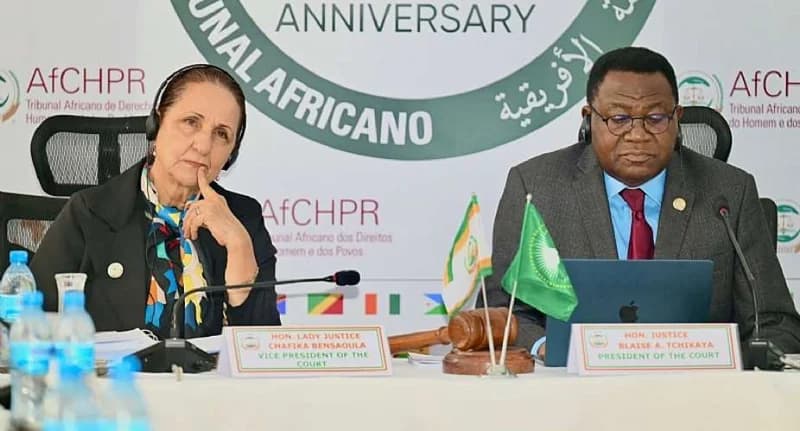
The African Court on Human and Peoples’ Rights, in collaboration with UNESCO, has concluded a four-day seminar in Arusha, Tanzania, aimed at integrating Artificial Intelligence (AI) into the African judicial system. The session brought together more than 50 judges and legal officers from across the continent to examine the intersection of emerging technologies and the rule of law. This initiative seeks to enhance the capacity of human rights justice delivery by equipping legal professionals with the tools to navigate the digital transformation of the sector.
Hon. Justice Blaise Tchikaya, President of the African Court, underscored the transformative potential of AI during the proceedings. While acknowledging that technology can significantly improve efficiency within the justice system, he stressed the urgent need for ethical engagement and responsible oversight to mitigate inherent risks such as algorithmic bias and lack of transparency. The seminar provided a platform for participants to discuss how AI can be harnessed to uphold human rights while ensuring that judicial processes remain fair and accountable.
Representing UNESCO, Regional Adviser Ms. Misako Ito highlighted a critical gap in the current legal landscape. She noted that many judicial operators are already utilizing AI-driven tools in their daily work but often do so without formal training or a deep understanding of the ethical implications. UNESCO’s involvement in the seminar aims to bridge this knowledge gap, providing a structured framework for the responsible use of AI that aligns with international human rights standards and the specific needs of African legal institutions.
The seminar, which took place between late August and September 2026, marks a significant step toward the digital modernization of African courts. By fostering a dialogue between legal experts and technology advisors, the African Court and UNESCO aim to create a roadmap for the future of justice on the continent. The outcomes of this session are expected to influence future policy-making and the development of guidelines for the use of automated systems in judicial decision-making across Africa.

