••
Africa Policy Lens demands transparent data on 24-hour economy jobs
•2 min read•5 sources
The Africa Policy Lens (APL) and economic experts have called on the government to provide verifiable data on job creation under the 24-hour economy initiative. Launched in July 2025 by President John Mahama’s administration, the flagship policy promised to generate 1.7 million jobs over four years. However, 16 months into the programme, critics and policy analysts argue that the absence of official metrics in the 2027 Budget Statement, recently presented by Finance Minister Dr. Cassiel Ato Forson, undermines the initiative's transparency and public accountability.
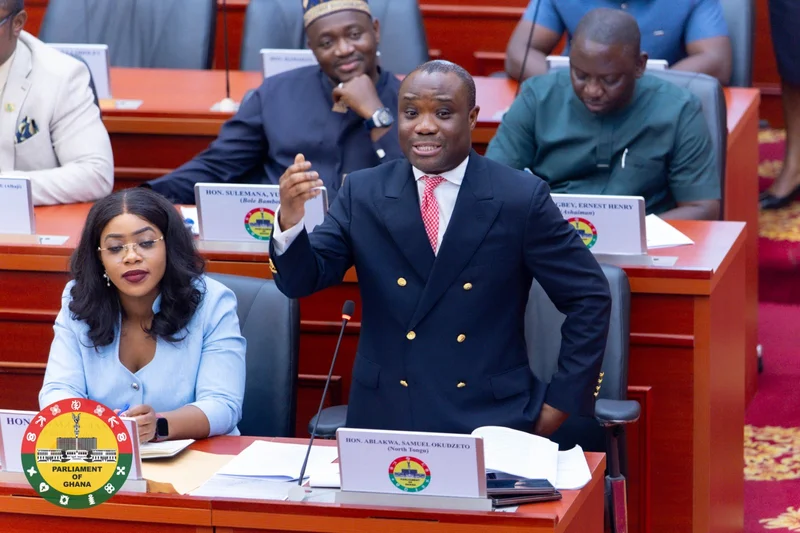
During recent parliamentary debates on the 2027 Budget, Minister Felix Kwakye Ofosu defended the programme, stating it has already successfully integrated 33 manufacturing companies, 12 oil marketing firms, and 12 state-owned enterprises into the shift-based system. He highlighted specific employment gains, including 1,758 new staff at the Driver and Vehicle Licensing Authority (DVLA) and 1,400 at the Ghana Ports and Harbours Authority (GPHA). Despite these reported figures, Professor Godfred Bokpin of the University of Ghana Business School has insisted that the 24-hour Economy Secretariat must publish raw data for independent verification, suggesting that the government use National Identification Authority and Social Security records to validate these claims.
Adding to the calls for transparency, KPMG Ghana has urged for greater clarity regarding the tax incentives intended to support participating businesses. At the KPMG-UNDP Budget Forum, Gordon Dardey, a partner at the firm, noted that the current uncertainty surrounding tax waivers could deter potential investors. He emphasized that without explicit guidelines and clear eligibility criteria, businesses are unable to make the accurate financial projections necessary to commit to 24-hour operations. The firm maintains that administrative clarity is vital for the proposed incentives to effectively stimulate private sector participation.
While labour expert Austin Gamey acknowledged that employment opportunities are emerging in the Tema Free Zones and various ports, he cautioned that the process is moving more slowly than the government anticipated. He warned against overstating the initiative's impact and called for a more comprehensive tracking system that accounts for casual and temporary labour. As the 24-hour economy enters its second full year, stakeholders agree that establishing a robust monitoring and evaluation framework is critical to ensuring the policy translates into sustainable, long-term economic growth.
classfmonline.com
PrimarybusinessBarely 16 months after launching 24-hour Economy and no record of jobs - APL blasts Govt
citinewsroom.com
business24-Hour Economy: KPMG demands transparency in access to tax incentives
myjoyonline.com
business24-hour economy job claims need evidence for independent verification – Bokpin
myjoyonline.com
business24-hour Economy: 33 manufacturers, 12 SOEs and 12 OMCs in operation – Kwakye Ofosu
myjoyonline.com
business24-hour economy gradually creating jobs, but more work needed – Austin Gamey
Related topic
John Mahama: Latest News & Updates →

