••
Africa Global PR Week in Nairobi Reimagines Communications as Central to Global Trust and Influence
•2 min read•1 source
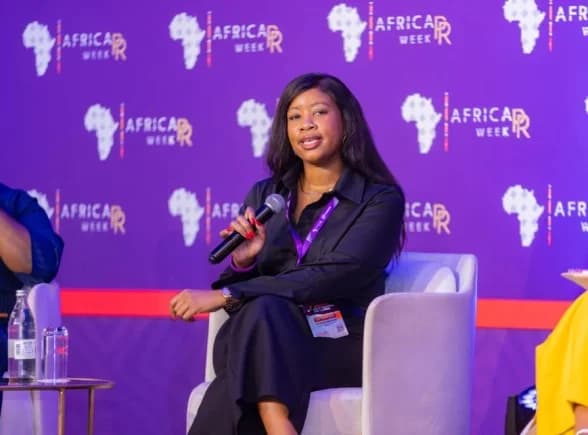
The Africa Global PR Week held in Nairobi has underscored a fundamental shift in the communications industry, repositioning Public Relations (PR) from a secondary support function to a central pillar of corporate trust and global influence. The gathering, which drew leaders from diverse sectors across the continent, highlighted that in an increasingly interconnected yet fragmented world, the ability to manage brand reputation and narrative is no longer optional but critical for business survival and growth. The event served as a platform for professionals to discuss the evolving rules of global positioning and the strategic necessity of professional communications in the modern era.
Central to the discussions in Nairobi was the dual challenge of branding across borders and the rapid integration of emerging technologies, specifically Artificial Intelligence (AI). Industry experts noted that while AI offers unprecedented tools for data analysis and content efficiency, the core of effective PR remains deeply rooted in human connection. Organizations are now being urged to adopt "adaptive storytelling"—a method that ensures brand messages resonate within diverse local markets while maintaining a consistent and recognizable global identity. This balance is viewed as essential for African brands seeking to compete on the international stage without losing their cultural authenticity.
A major theme of the summit was the imperative for African communicators to seize control of the continent’s narrative to combat historical stereotypes. Speakers emphasized that the power of personal stories, exemplified by influential figures such as legendary athlete Eliud Kipchoge, serves as a powerful blueprint for building widespread influence and reputation. By leveraging these human-centric stories, African organizations and individuals can present a more nuanced and sophisticated image to the global community, effectively shaping how the continent is perceived by international investors and partners.
As the landscape of communications continues to evolve, the consensus from the Nairobi summit is that the future of the industry lies at the intersection of technological savvy and emotional intelligence. For PR professionals and business leaders alike, the new rules of global positioning require a proactive approach to trust-building and a commitment to authentic engagement. Moving forward, the success of African enterprises will increasingly depend on their ability to navigate these complex dynamics, ensuring that their voices are not just heard, but respected and understood in an era of global information saturation.

