••
Africa hosts 44% of world's children in conflict zones, report says
•2 min read•1 source
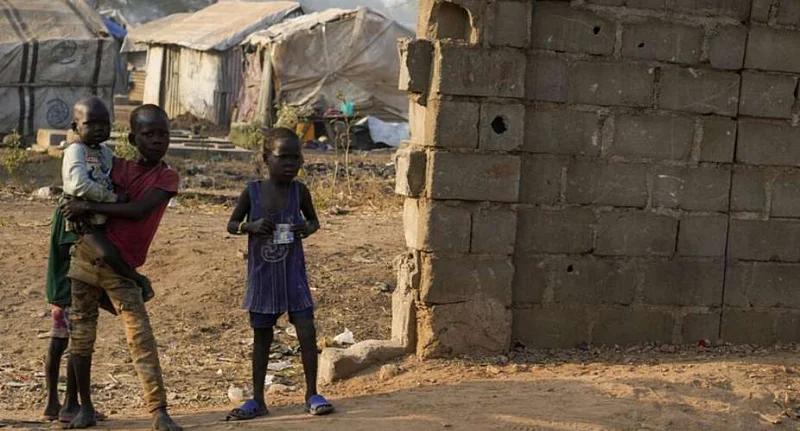
Africa has become the global epicenter for children living in conflict zones, with 44% of all such children worldwide now residing on the continent. According to a new report, the number of African children living in areas of active hostilities increased by nearly 20% between 2024 and 2025. This surge underscores a deepening humanitarian crisis that is severely impacting the education, health, and future prospects for millions of young people across the region.
The United Nations documented a total of 38,967 grave violations against children in armed conflicts globally in 2025, a trend that is heavily reflected in African statistics. These violations include over 14,000 casualties and 5,128 documented abductions. The report also highlights a troubling rise in direct attacks on schools and hospitals, which are infrastructure essential for child survival and development. Such violence not only causes immediate physical harm but also creates long-term psychological trauma and disrupts the educational foundations of entire generations.
Beyond direct physical violence, the report identifies systemic barriers that exacerbate the suffering of children in conflict-affected areas. Aid blockages have escalated dramatically, preventing life-saving humanitarian assistance from reaching vulnerable populations. Additionally, gender-based violence remains a pervasive yet severely underreported issue, complicating the delivery of targeted support services. The loss of access to healthcare and education is described as a critical blow to the future stability of the continent's youth.
In response to these findings, humanitarian organizations are calling for immediate and unhindered access to all conflict zones to provide necessary relief. There is an urgent demand for the international community to enforce accountability for perpetrators of violence against children and to prioritize the protection of civilian infrastructure. The report emphasizes that without decisive action to address these violations and the underlying conflicts, the cycle of violence will continue to disproportionately claim the lives and potential of Africa’s children.