••
African negotiators seek grant-based financing for 35% renewable target
•2 min read•1 source
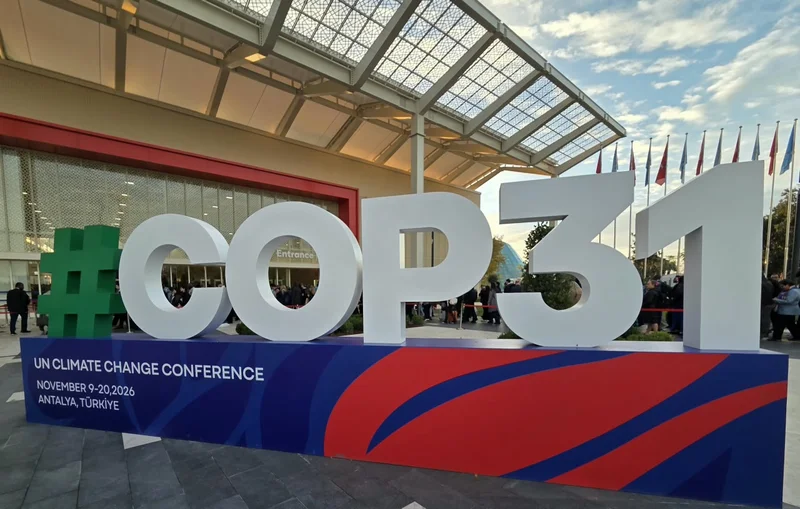
African nations, including Ghana, have called for grant-based financing and clear implementation frameworks to support a proposed global target of 35% renewable electricity by 2035. Speaking at the COP31 climate conference in Antalya, Türkiye, negotiators emphasized that while they support the transition to cleaner energy, global targets must be realistic and account for the unique economic capacities of developing countries. The delegation argued that any international mandate must align with national baselines to ensure a just transition.
Ghanaian climate negotiator Antwi-Boasiako Amoah raised concerns during the discussions regarding the feasibility of these ambitious goals without substantial financial and technical support. He noted that there are significant discrepancies in national renewable energy baselines across the continent, which makes a one-size-fits-all target difficult to implement. For Ghana, which is already committed to diversifying its energy mix, the alignment of national developmental plans with global mandates requires dedicated investments and a transparent roadmap for technological transfer to avoid energy shortfalls.
The demand for grant-based financing rather than loans is a central pillar of the African position at the summit. Negotiators pointed out that adding to the existing debt burden of developing nations to meet global climate goals would be counterproductive to their broader economic stability. By securing grants, African countries can build the necessary infrastructure to scale up solar, wind, and hydro projects without compromising other essential public services. The delegation stressed that for a global transition to be truly equitable, it must reflect African priorities and the practical realities of infrastructure development.
As the COP31 negotiations proceed, the African bloc remains firm that any final agreement on renewable energy targets must include specific, binding provisions for financing and technical assistance. The outcome of these deliberations in Türkiye will likely dictate how African nations integrate renewable sources into their national power grids over the next decade. For Ghana, the focus remains on ensuring that climate action supports national industrialization and energy security goals without placing an undue financial burden on the state.
