••
Alexander Afenyo-Markin returns to Ghana’s ECOWAS Parliament delegation
•2 min read•3 sources
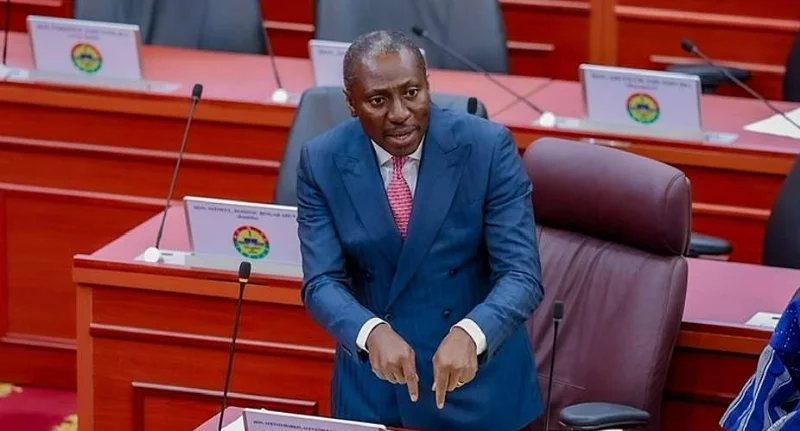
The Parliament of Ghana has officially reconstituted its delegation to the ECOWAS Parliament, facilitating the return of Minority Leader Alexander Afenyo-Markin to the regional legislative body. The decision, reached through the adoption of a formal motion, resolves a period of intense procedural friction that had threatened Ghana’s standing and participation within the Economic Community of West African States (ECOWAS). The resolution follows months of internal debate regarding the composition of the eight-member team representing the nation in the sub-regional parliament.
The dispute began when a previous version of the delegation, which excluded Afenyo-Markin, was presented to the ECOWAS Parliament. The regional body subsequently declined to swear in the Ghanaian representatives, citing procedural irregularities and a lack of proper consultation in the removal of the Minority Leader. The situation was further complicated when Deputy Minority Leader Patricia Appiagyei, who had been nominated to replace Afenyo-Markin, rejected her nomination due to concerns over these procedural flaws. Additionally, Speaker Alban Bagbin had referred Afenyo-Markin to the Privileges Committee following accusations that he had defied a parliamentary resolution.
Under the newly approved arrangement, the delegation will be led by George Kweku Ricketts-Hagan. Afenyo-Markin returns as a member alongside a team that includes representatives from various constituencies. This reconstitution was treated with urgency to ensure Ghana’s continued influence in regional governance, particularly after some parliamentary discussions touched upon the extreme possibility of Ghana withdrawing from the ECOWAS bloc if the representation impasse remained unresolved.
The resolution of this standoff marks a significant step in stabilizing Ghana's diplomatic relations within West Africa. By reinstating the Minority Leader, Parliament has addressed the specific concerns raised by the ECOWAS Parliament regarding the legitimacy and inclusivity of the delegation. The move is expected to restore Ghana's full participation in the regional body’s sessions and terminate the legal and political debates that had stalled the delegation’s work and participation in the regional parliament.
