••
Alexander Afenyo-Markin urges ECG to prioritize reforms over tariff hikes
•2 min read•3 sources
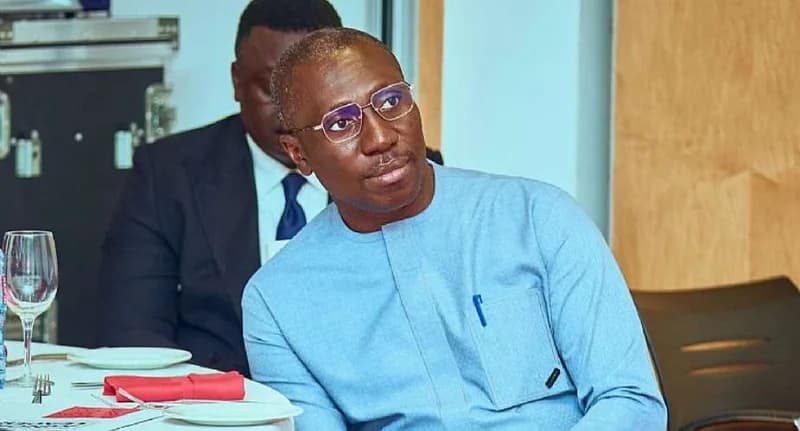
Minority Leader Alexander Afenyo-Markin has called on the Electricity Company of Ghana (ECG) to focus on deep-seated structural reforms rather than relying on repeated tariff increases to solve its financial challenges. Speaking during an engagement with current and former ECG management, Afenyo-Markin argued that price adjustments alone cannot fix the systemic inefficiencies and operational losses currently plaguing the power distributor. He emphasized the need for a shift toward prudent financial management and operational excellence to ensure the utility's long-term sustainability.
The Minority Leader, who recently served a brief tenure as ECG Board Chairman, outlined three priority measures to stabilize the utility's finances. These include the strict enforcement of the Cash Waterfall Mechanism to ensure transparent revenue distribution among stakeholders, a comprehensive review of legacy power purchase agreements to renegotiate burdensome financial obligations, and the implementation of automatic settlement systems for public-sector electricity bills. He noted that such measures would create a more accountable institution and protect consumers from paying for the utility's internal failures.
While acknowledging recent improvements in ECG’s revenue growth, Afenyo-Markin cautioned that the reported reduction in losses was significantly influenced by accounting gains rather than fundamental operational changes. He highlighted that high electricity purchase costs and technical and commercial losses continue to threaten the sector. To address these issues, he advocated for the widespread adoption of digital payment systems, the installation of smart meters, and more stringent procurement controls to eliminate waste and improve overall collection efficiency.
ECG management commended the Minority Leader for his insights and his previous impact during his short stay as Board Chair, where he prioritized financial accountability. The engagement concluded with a shared emphasis on moving beyond political debates and short-term financial bailouts. Afenyo-Markin stressed that true reform is critical to securing the financial health of Ghana's energy sector and building a robust, efficient infrastructure that serves the public interest.


