••
Global Fashion Leaders Launch Apparel Recovery Coalition at Accra's Kantamanto Market to Drive Circular Economy
•2 min read•3 sources
Global fashion powerhouses H&M Group, Inditex, BESTSELLER, and adidas have joined forces to launch the Apparel Recovery Coalition (ARC) in Accra, Ghana. Unveiled at the historic Kantamanto Market, the initiative marks a significant step toward addressing the environmental and social challenges associated with the global secondhand clothing trade. In partnership with The Or Foundation and Circle Economy, the coalition aims to strengthen Ghana’s circular textile economy by improving the management, reuse, and recycling of post-consumer apparel in regions heavily impacted by textile waste.
The launch took place at the heart of Kantamanto, a critical hub that recirculates approximately 25 million garments every month, providing livelihoods for thousands while managing vast quantities of imported used clothing. Reverend Opoku Afreh, President of the Kantamanto Obroniwawu Businesses Association (KOBA), welcomed the move but emphasized the urgent need for investment in infrastructure and resources to support local practices. Over the next two years, the ARC plans to develop a producer responsibility framework, leveraging the existing knowledge of the Kantamanto community to create practical solutions for textile waste management and community empowerment.
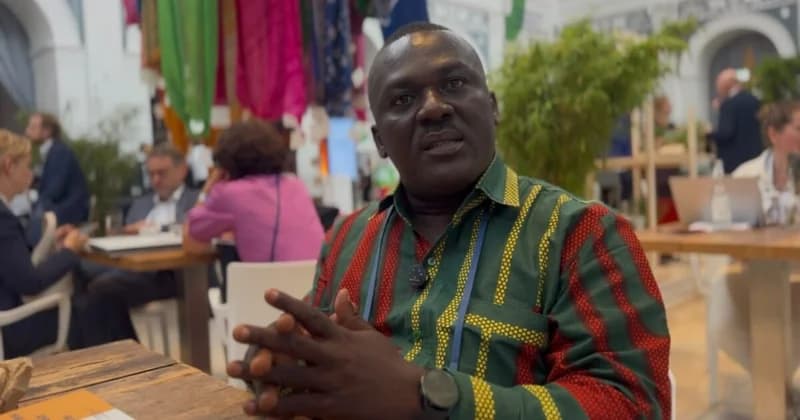
This push for environmental accountability in the fashion sector aligns with a broader call for sustainability within Ghana’s wider business landscape. Speaking at the Hamburg Sustainability Conference, Yaw Adu Gyamfi, Chairperson of the Ghana Hubs Network, underscored that sustainability must be a foundational element for all innovations and startups. He argued that eco-friendly solutions should be integrated into business objectives from the outset rather than being treated as an afterthought. Gyamfi highlighted that while some Ghanaian startups are already pioneering sustainable agriculture and resource management, the entire ecosystem must align more closely with the UN Sustainable Development Goals (SDGs) as the 2030 deadline nears.
The establishment of the ARC represents a shift toward "producer responsibility," where global brands acknowledge their role in the lifecycle of their products even after they enter the secondhand market. By combining the corporate resources of international fashion leaders with the grassroots expertise of Ghanaian market associations and innovation hubs, the initiative seeks to transform a waste crisis into a circular economic opportunity. As the coalition rolls out demonstration projects and training in the coming months, the focus will remain on whether these global partnerships can deliver tangible improvements to the environmental conditions and economic resilience of Ghana’s local communities.