••
ADDRO and Builsa North Assembly Inaugurate Safe Space Centre for Adolescent Mothers in Sandema
•2 min read•1 source
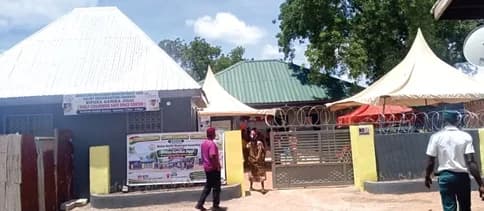
The Anglican Diocesan Development and Relief Organisation (ADDRO), in collaboration with the Builsa North Municipal Assembly, has officially inaugurated an Early Childhood Safe Space Centre in Sandema. This dedicated facility is designed specifically to serve as a haven for adolescent mothers and their children, providing a crucial safety net for young women navigating the challenges of early parenthood in the Upper East Region. By offering a structured environment for both mother and child, the initiative seeks to bridge the gap between social vulnerability and economic empowerment.
Funded by Episcopal Relief & Development (USA), the centre offers a comprehensive suite of services tailored to the needs of the local community. It caters to children up to 36 months of age, providing high-quality childcare that allows their young mothers the freedom to pursue education or vocational training. Beyond daycare, the facility integrates nutrition support, psychosocial counseling, and structured home visits to ensure that the developmental milestones of the children are met while the mothers receive the emotional and practical support required to rebuild their lives.
Speaking at the inauguration ceremony, ADDRO’s Executive Director, Emmanuel Tia Nabila, emphasized that the project’s core mission is to restore hope and dignity to adolescent mothers who often face social stigma and economic hardship. He noted that the initiative is not just about physical infrastructure but about creating a supportive ecosystem where young mothers can acquire essential life skills. By focusing on skills development, the centre aims to break the cycle of poverty and provide these young women with the tools necessary for long-term self-sufficiency.
The success and sustainability of the Safe Space Centre will rely heavily on the active participation of the Sandema community and local authorities. During the launch, various speakers highlighted the importance of collective ownership, urging community members to support the facility and the young families it serves. As the centre begins its operations, it stands as a model for community-based intervention, aiming to foster a more inclusive environment that prioritizes the health, education, and dignity of the next generation and their caregivers.