••
Ghana Mining Sector Developments: Adamus Resources Revived Amid Gold Purchase Program Controversies and Worker Fund Disputes
•3 min read•8 sources
The Ghana Chamber of Mines has commended the government for a strategic breakthrough in the long-standing dispute involving Adamus Resources Limited, a move widely seen as a lifeline for one of the country's prominent indigenous large-scale mining operations. The resolution includes a 12-month roadmap overseen by a six-member joint management team, aimed at restoring investor confidence and securing thousands of jobs. This intervention follows a period of uncertainty marked by the revocation of mining leases and legal challenges. Industry stakeholders, including Kofi Bentil, Vice President of IMANI Africa, have emphasized that this 12-month reprieve is a critical window for the company to address regulatory concerns, settle financial obligations, and demonstrate a commitment to responsible mining practices and Ghanaian ownership.
While the mining sector finds stability through the Adamus resolution, Ghana's domestic gold-purchasing program is facing intense scrutiny from economic analysts and civil society. Dr. Frank Bannor and Senyo Hosi have raised concerns regarding the fiscal transparency of the initiative, with Dr. Bannor suggesting that losses in the program may have been "engineered" rather than authentic based on his analysis of an IMF report. Mr. Hosi further argued that the program's structure inherently invited losses by offering competitive prices to curb gold smuggling. This debate is compounded by claims from the Minority Party of approximately US$1.7 billion in losses, prompting calls for a thorough investigation into the program's financial design and its impact on the national economy.
Adding to the pressure for financial accountability, Duncan Amoah, Executive Secretary of the Chamber of Petroleum Consumers (COPEC), has challenged the Ghana Gold Board (GoldBod) to prove its operational viability without relying on Bank of Ghana (BoG) financing. Speaking on current economic developments, Amoah stressed that GoldBod should function as a self-sustaining entity that generates profit without transferring trading risks to the central bank. He pointed to discrepancies in exchange rates and transaction outcomes as key areas requiring clarity, arguing that the true measure of the board's success should be its financial independence and transparency in the global market.
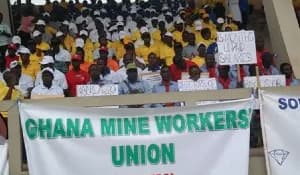
In a parallel development concerning worker welfare within the industry, the Ghana Mineworkers’ Union (GMWU) has petitioned the Bank of Ghana to facilitate the release of over GH¢380 million in locked-up funds. These assets, which belong to more than 19,000 current and former mineworkers, include provident funds, welfare savings, and severance packages managed by IGS Financial Services Limited. The union's appeal highlights the human cost of financial instability in the sector. As the government continues to navigate these complex regulatory and economic challenges, the focus remains on balancing the need for indigenous participation in mining with the imperative of rigorous financial oversight and the protection of worker interests.
Live rates
Ghana gold price →

