••
Adaklu Health Leaders Call for Enhanced Parent-Child Communication as Teenage Pregnancy Rates Rise
•2 min read•1 source
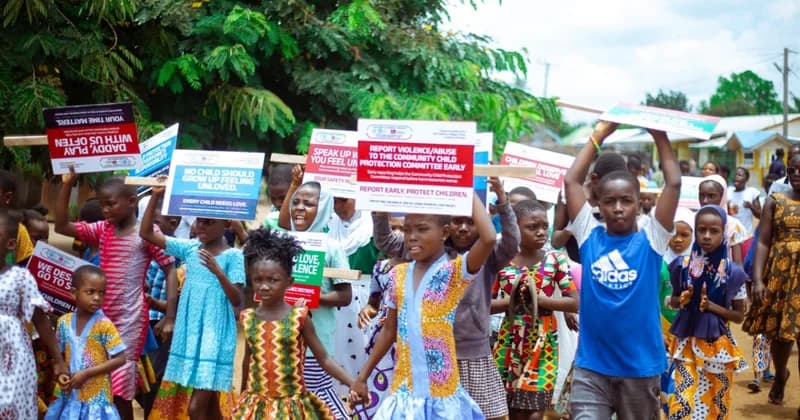
Health authorities and advocacy groups in the Adaklu District are sounding the alarm over a steady rise in teenage pregnancy cases, which they attribute to systemic issues including poverty, parental neglect, and a critical lack of communication within families. Data from the Adaklu Health Directorate highlights a worrying trend: recorded teenage pregnancies increased from 109 in 2024 to 120 in 2025. This surge has prompted urgent calls for parents to foster more open, loving environments to protect vulnerable adolescents and curb the cycle of early parenthood in the region.
The statistics are particularly alarming regarding the vulnerability of younger children; in 2024, three girls aged between 10 and 14 became pregnant, a figure that rose to four in 2025. A significant barrier to prevention appears to be the silence surrounding sexual health within the home. A recent study conducted in the area revealed that a staggering 87.5% of teenagers had never discussed sexual issues with their fathers. This lack of guidance, combined with economic hardships that often lead to neglect, leaves many young girls exposed to exploitation and reproductive health risks.
In response to these challenges, organizations such as Friends of Adaklu and SOS Children’s Villages Ghana have launched community-based initiatives aimed at strengthening the family unit. These programs provide small grants to caregivers to help alleviate the poverty that often drives neglect, while also establishing community-based child protection committees. These committees are trained to identify and address cases of abuse and neglect, ensuring that the community has a robust framework for safeguarding its children through proactive monitoring and education.
Beyond financial support, the intervention focuses on significant behavioral changes in parenting. Advocacy events and training sessions have successfully encouraged many parents to move away from corporal punishment and violence as forms of discipline, favoring more constructive and communicative approaches instead. By creating safe spaces for children to express their concerns and educating parents on the importance of sexual health dialogue, stakeholders hope to build a more supportive environment that empowers the next generation of Adaklu’s youth to make informed life choices.

