••
ActionAid and Environmental Advocates Launch Initiatives to Shield Mining Communities and Protect Vital African Ecosystems
•3 min read•4 sources
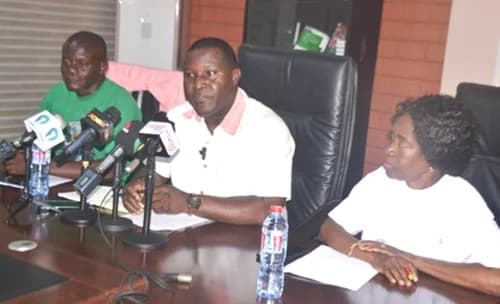
ActionAid Ghana has officially launched the "Uplifting the Voices of Mining Communities" (VOICES) project, a multi-national initiative designed to bolster community participation in mining governance across Ghana, Malawi, and Senegal. Funded by Comic Relief, the project aims to address the persistent socio-environmental challenges faced by residents in resource-rich regions, such as Mfantseman and Ahafo Ano South West. ActionAid Country Director John Nkaw emphasized the need for the Ghana Chamber of Mines to support local-indigenous policies, ensuring that mining operations do not occur at the expense of the people they are intended to benefit. Dr. Emmanuel Steve Asare Manteaw further underscored the project's importance as a critical intervention for community development following years of mineral revenue mismanagement.
Parallel to these regional efforts, local accountability measures are intensifying in Ghana’s Ahafo Region. The Ahafo Minerals Revenue Watch Volunteers (AMRV), with support from the Global Greengrants Fund, have concluded training for community volunteers in the Asutifi North District. This initiative focuses on monitoring revenue from Newmont’s Ahafo South Mine, equipping locals with the skills to advocate for investments in essential infrastructure like healthcare and education. Richard Adjei-Poku, Executive Director of Livelihood & Environment Ghana, noted that mineral wealth must be prudently managed to prevent it from inadvertently contributing to poverty, urging volunteers to maintain close oversight of all revenue utilization.
Despite these efforts toward structured governance, the threat of illegal activity remains a critical concern for the nation's natural resources. A Rocha Ghana has issued a stark warning regarding the Atewa Range Forest Reserve, where illegal mining—locally known as galamsey—is causing severe ecological damage. Deputy National Director Daryl Bosu highlighted that the destruction of this reserve threatens the primary water source for approximately five million people and endangers diverse wildlife. Conservationists are urging the government to take immediate action, including designating the forest as a national park to ensure its protection against further encroachment.
These challenges of resource exploitation extend beyond Ghana's borders to Central Africa. In the Republic of Congo, reports from the church and Caritas indicate that accelerated oil production is causing significant environmental harm in the Kouilou department. Farmers in the region have reported a drastic decline in cassava harvests, signaling a direct link between oil exploitation and the degradation of local agriculture. The situation underscores a broader continental struggle where the drive for resource extraction often conflicts with food security and the preservation of rural livelihoods.
Collectively, these developments reflect a growing movement across Africa to demand greater transparency and environmental responsibility from extractive industries. From community monitoring in Ahafo to conservation advocacy in Atewa and crop protection in Congo, civil society organizations are positioning themselves as critical watchdogs. As these projects move forward, the focus remains on ensuring that mineral and oil wealth translates into tangible development and lasting environmental security for the communities living near these resources.