••
ActionAid Ghana Launches VOICES Project Amidst Growing Environmental Concerns in African Mining and Oil Hubs
•3 min read•4 sources
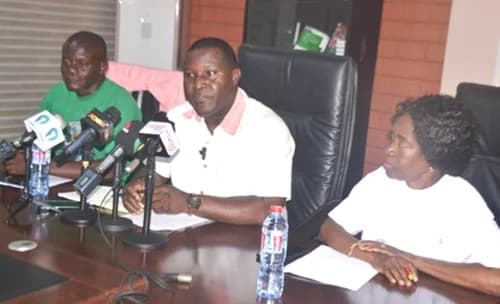
Civil society organizations and community groups across Africa are intensifying their demands for transparency and environmental protection within the extractive industries. From the launch of the "Uplifting the Voices of Mining Communities" (VOICES) project by ActionAid Ghana to the alarm raised over oil-induced crop failures in the Republic of Congo, a unified call is emerging for more equitable management of natural resources. These initiatives highlight a critical struggle to ensure that the continent’s mineral and oil wealth translates into sustainable development rather than ecological ruin and community displacement.
ActionAid Ghana’s VOICES project, funded by Comic Relief, seeks to empower residents in mining regions across Ghana, Malawi, and Senegal. By establishing community monitoring committees and training women and youth leaders, the project aims to enhance local participation in land and livelihood decisions. This grassroots focus is mirrored in Ghana’s Asutifi North District, where the Ahafo Minerals Revenue Watch Volunteers (AMRV), supported by the Global Greengrants Fund, recently trained new volunteers to oversee the utilization of mining revenues from Newmont’s Ahafo South Mine. Richard Adjei-Poku, Executive Director of Livelihood & Environment Ghana, emphasized that mineral wealth must improve living conditions—particularly in health, education, and infrastructure—rather than exacerbating poverty through mismanagement.
However, these efforts toward accountability face severe headwinds from ongoing environmental degradation. In Ghana, the NGO A Rocha Ghana has sounded a dire warning regarding the "suffocation" of the Atewa Range Forest Reserve by illegal mining, or galamsey. Deputy National Director Daryl Bosu cautioned that the destruction of this vital ecosystem threatens the water supply for five million people and risks a permanent ecological and socio-economic crisis. Similarly, in the Republic of Congo’s Kouilou department, reports from Caritas and local church leaders indicate that accelerated oil exploitation is devastating the agricultural sector, leading to a sharp decline in cassava harvests and leaving farming communities in economic distress.
The convergence of these reports underscores a growing regional demand for systemic reform in resource governance. Experts like Dr. Emmanuel Steve Asare Manteaw have called for better management of mineral revenues, while ActionAid’s Country Director, John Nkaw, has urged the Ghana Chamber of Mines to prioritize local-indigenous policies. As African nations navigate the complexities of resource extraction, the success of interventions like the VOICES project and the proposed designation of the Atewa Forest as a national park will be pivotal in determining whether the continent's natural wealth serves as a catalyst for growth or a source of enduring environmental strife.
