••
African Committee of Experts rules Ghana violated rights of schoolgirls
•2 min read•1 source
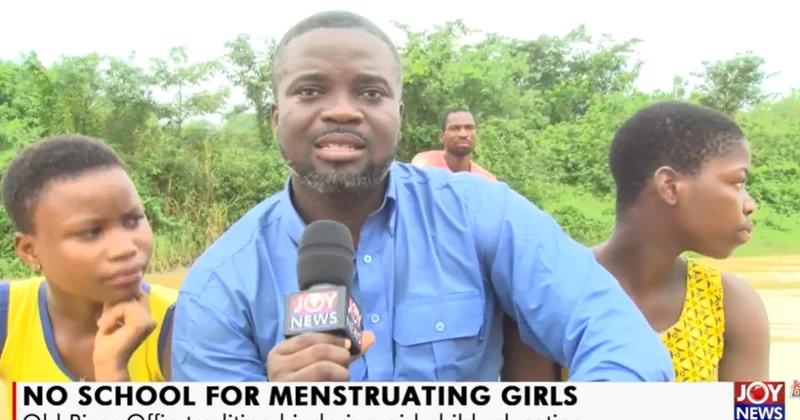
The African Committee of Experts on the Rights and Welfare of the Child (ACERWC) has found the Republic of Ghana guilty of violating the rights of schoolgirls in the Offin River area. The landmark ruling, delivered on October 20, 2026, centers on cultural taboos that prohibit girls from crossing the River Offin on Tuesdays and during their menstrual cycles. The committee concluded that the state failed to protect these children from discriminatory and harmful cultural practices that significantly impede their access to education. The case highlighted a long-standing tradition where girls are barred from the river, which often serves as their only path to school, during specific periods. According to the evidence presented, these restrictions result in girls missing approximately 12 school days every month. The ACERWC ruled that by allowing these practices to persist without providing alternative infrastructure or protections, the Ghanaian government breached its obligations under the African Charter on the Rights and Welfare of the Child. The committee emphasized that the state has a fundamental responsibility to ensure that customary beliefs do not override the educational rights of children. In its decision, the ACERWC mandated the Ghanaian government to take immediate corrective actions to resolve the barrier to education. This includes the construction of a permanent, safe bridge over the River Offin to ensure that students can reach their schools regardless of traditional taboos associated with the water itself. Furthermore, the government has been ordered to implement comprehensive measures to support affected girls and ensure they no longer suffer educational setbacks due to menstruation or local customs. This ruling is seen as a significant victory for human rights advocates and sets a precedent for state accountability regarding harmful cultural practices across Africa. By specifically addressing the intersection of gender, tradition, and education, the ACERWC has signaled that national governments cannot remain passive when local customs systematically disadvantage the girl child. The Ghanaian authorities are now expected to provide a roadmap for the construction of the bridge and the rollout of sensitization programs to align local traditions with international human rights standards.