••
ACERWC rules Ghana violated educational rights of girls near River Offin
•2 min read•1 source
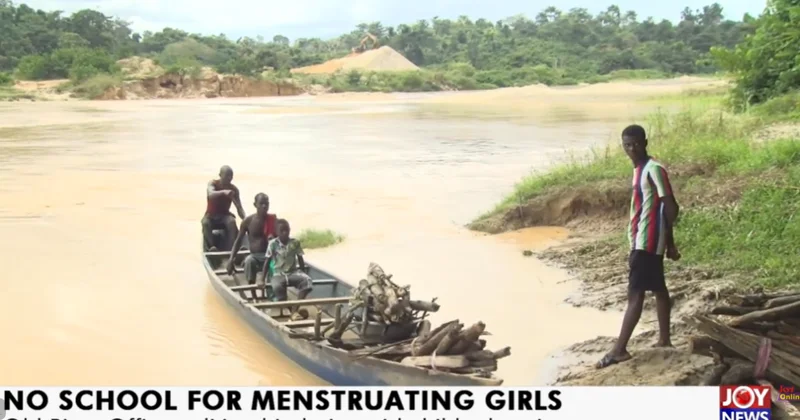
The African Committee of Experts on the Rights and Welfare of the Child (ACERWC) has found the Republic of Ghana in violation of the educational rights of girls residing near the River Offin. This landmark ruling follows a human rights petition challenging long-standing cultural traditions that prevent menstruating girls, and all females on Tuesdays, from crossing the river to attend school. The Committee's decision highlights a critical conflict between local traditional beliefs and the fundamental right to education as enshrined in African human rights frameworks.
The case was brought before the Committee by human rights activists who argued that the prohibition on crossing the River Offin significantly disrupts the education of girls in the affected communities. Under local customs, it is considered taboo for menstruating females to cross the water, and a general ban on crossing exists for everyone on Tuesdays, which are regarded as sacred days for the river. Consequently, female students miss several days of schooling every month, placing them at a severe academic disadvantage compared to their male peers. The ruling emphasizes that such discriminatory practices are incompatible with Ghana's obligations under the African Charter on the Rights and Welfare of the Child.
Despite previous assurances from various government officials to address the infrastructure deficit in the region, the Committee noted that minimal progress had been made to mitigate the impact of these traditions. The ACERWC has now provided specific recommendations to the Ghanaian government to rectify the situation. Chief among these directives is the urgent construction of a permanent bridge across the River Offin. Such a structure is viewed as a practical solution that would allow children to access their schools safely and consistently, effectively bypassing the traditional restrictions associated with stepping into the water.
This decision serves as a significant precedent for balancing traditional customs with international human rights standards in Ghana. It underscores the responsibility of the state to intervene when cultural practices impede the development and rights of children. Moving forward, the government is expected to implement the Committee's recommendations to ensure that the right to education is upheld without discrimination and that no child is denied schooling due to geographical or traditional barriers.