••
Massive Rental Price Disparities Highlight Growing Socioeconomic Divide in Accra Neighborhoods
•2 min read•1 source
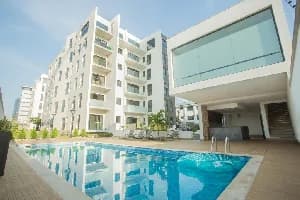
Accra’s real estate landscape has become a vivid illustration of economic inequality, presenting a "tale of two cities" where housing costs vary wildly depending on the neighborhood. Recent market data highlights a staggering disparity between the capital's affluent residential zones and its more modest communities. While the city continues to attract international investment and diplomatic presence, the cost of securing a home in prime locations has reached levels far beyond the reach of the average citizen, creating distinct social and economic silos within the same metropolitan area. In high-end districts such as Cantonments, East Legon, and Trassaco, the premium for security and luxury is exceptionally high. Renting a house in Cantonments, an area favored for its proximity to various embassies and high-profile international organizations, can cost an average of GH₵71,000 per month. These neighborhoods offer paved roads, consistent utilities, and elite social infrastructure, catering to expatriates and the nation's wealthiest individuals. The Trassaco and East Legon areas follow similar trends, characterized by gated estates and modern architectural designs that command top-tier pricing. This luxury market stands in sharp contrast to the living conditions and costs found in other parts of the city. In neighborhoods like Nima, a single room can be rented for approximately GH₵350 per month. While these areas provide essential housing for a large segment of the workforce, they often lack the sophisticated infrastructure and exclusive amenities found in the "Golden Triangle" of Accra. This price gap of over 20,000 percent between the low-end and high-end markets underscores the intense pressure on the city's housing sector and the limited options for middle-class residents. The widening gulf in housing affordability reflects broader national trends in urban development and wealth distribution. As Accra expands, the concentration of luxury developments in specific pockets continues to drive up land values, often pricing out the local population. Without significant intervention in affordable housing initiatives or rent control enforcement, the capital risks further fragmentation. For many residents, the dream of living in areas like Trassaco remains a distant reality, as the market continues to prioritize high-margin luxury developments over inclusive urban growth.