••
Greater Accra poultry farmers dispute government claims on chicken pricing
•2 min read•1 source
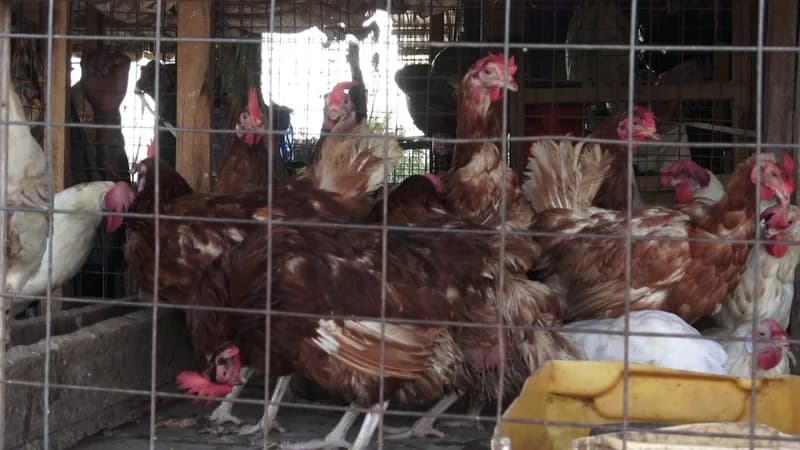
The Greater Accra Poultry Farmers Association (GAPFA) has challenged the Ministry of Food and Agriculture's assertion that middlemen are the primary cause of high prices for locally produced chicken. The Association argues that while intermediaries play a role, the fundamental obstacle to competitive pricing is the chronic lack of local processing infrastructure. This gap, they contend, keeps production costs high and prevents local poultry from competing effectively with cheaper imported alternatives.
The dispute follows comments from the Deputy Minister of Food and Agriculture, John Dumelo, who identified middlemen as the chief culprits behind inflated market costs. Dumelo highlighted a significant price disparity, noting that chicken sold for approximately GH₵80 at the farm gate often reaches consumers at nearly GH₵200 due to markups by intermediaries. He warned that these steep price hikes make imported poultry more attractive to the public, which directly undermines the government's efforts to promote local consumption and support domestic farmers.
Mohammed Ali, the CEO of the Greater Accra Poultry Farmers Association, countered this perspective during a poultry industry discussion on October 26. He emphasized that the absence of processing plants prevents farmers from breaking down whole birds into individual parts—a format that many consumers prefer and find more affordable. Ali stated that expanding processing capacity is essential for the industry to gain a competitive edge, as it would allow for more efficient market access and provide consumers with more flexible purchasing options beyond buying whole birds.
Beyond the lack of facilities, the Association also raised concerns regarding the strategic placement of existing and planned infrastructure. Specifically, the location of a processing plant in Bechem was cited as a logistical challenge that imposes heavy transportation costs on farmers from other regions. Industry stakeholders believe that if the government focuses on establishing accessible processing hubs and enhancing the brand recognition of Ghanaian chicken, consumer preferences will naturally shift toward local products, helping to stabilize the market and ensure long-term food security.
