••
Accra's Air Quality Divide: High Pollution in Nima Exposes Deepening Public Health Inequality
•2 min read•1 source
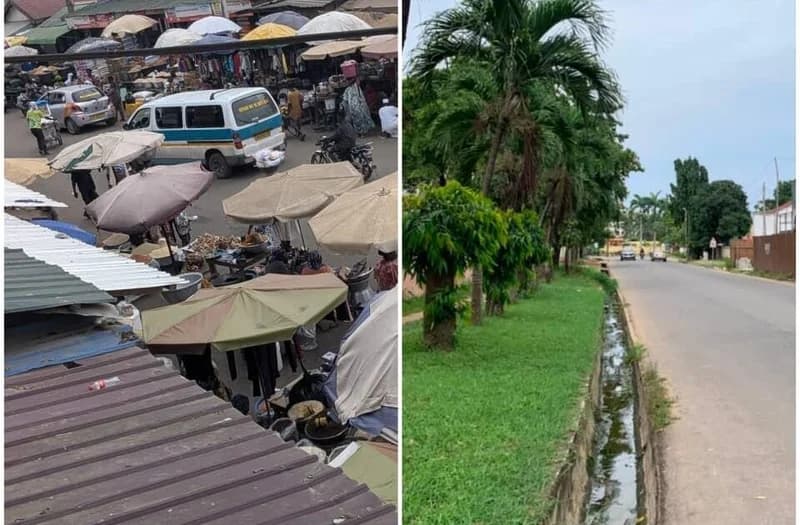
A recent investigation into air quality within Ghana’s capital has exposed a severe disparity between Accra’s informal settlements and its affluent neighborhoods. Measurements taken near the Nima Market recorded PM2.5 levels of 164 µg/m³, a concentration categorized as "unhealthy" and significantly higher than international safety guidelines. In stark contrast, the affluent community of Cantonments recorded air quality readings between 12 and 19 µg/m³, levels considered "good." This data underscores a troubling reality: air pollution in Accra is not a random environmental issue but a burden disproportionately carried by the city’s low-income residents.
The causes of these elevated pollution levels in communities like Nima are largely linked to socio-economic factors. Residents in poorer areas are frequently exposed to dense traffic congestion and the open burning of waste—common practices in areas where formal refuse collection is often inconsistent or unavailable. These localized sources of particulate matter create a persistent toxic haze that affluent areas avoid through better infrastructure, increased green spaces, and lower population density. Experts point out that this environmental divide mirrors broader socio-economic inequalities in Ghana, where a resident's location can significantly determine their respiratory health.
Public health experts are sounding the alarm over the long-term consequences of this exposure. Data indicates that pollution-related illnesses are now responsible for more annual deaths in Ghana than malaria or HIV, marking a significant shift in the country’s public health landscape. For the residents of Nima and similar high-density settlements, the constant inhalation of fine particulate matter leads to increased rates of asthma, cardiovascular diseases, and premature mortality. The fact that these preventable deaths are outstripping established infectious diseases highlights the urgency of addressing urban air quality as a primary health priority.
While Ghana has made strides in introducing air quality monitoring systems to track these disparities, there is a growing demand for the government to move beyond data collection toward active enforcement. Advocates and health professionals are calling for stricter pollution regulations, improved waste management infrastructure to end open burning, and urban planning that protects vulnerable populations from traffic emissions. As the administration under President John Mahama continues to address national development, the integration of environmental justice into public health policy remains a critical step in ensuring that clean air is a right for all citizens, regardless of their economic status.
Related topic
John Mahama: Latest News & Updates →