••
Africa Centre Convening: Accra Hosts 30 Nations to Redefine Development Priorities and Modernize Infrastructure
•2 min read•2 sources
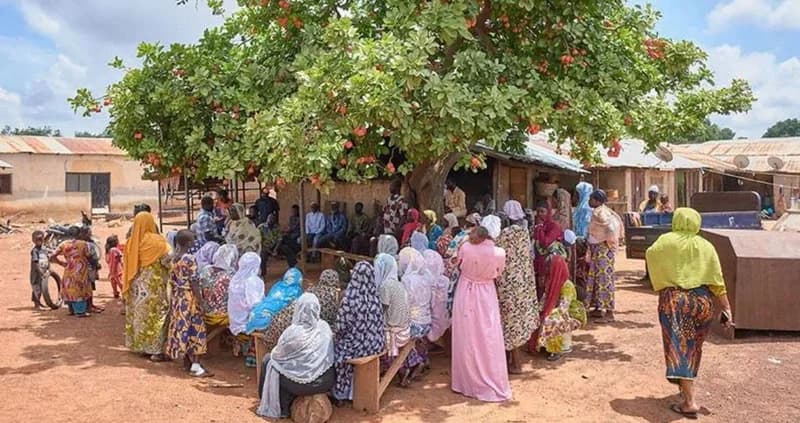
The inaugural Africa Centre Convening has commenced in Accra, bringing together over 200 representatives from 30 countries to champion a fundamental shift in how development aid is managed across the continent. This landmark event, held from September 1 to 3, 2026, focuses on moving away from traditional donor-driven models where external entities dictate priorities. Instead, the convening emphasizes empowering African communities to lead their own development efforts, ensuring that local knowledge and agency are at the heart of every initiative to foster long-term sustainability rather than dependency.
A central highlight of this movement is the "Reverse Call for Proposals" initiative spearheaded by NORSAAC. This innovative approach allows communities to identify their own specific needs and seek support based on those priorities, challenging the longstanding inequities of traditional development financing. For example, residents of Garizegu in Northern Ghana have utilized this model to highlight essential needs like sustainable water access and sanitation. By redefining these relationships, the initiative transforms local residents from passive beneficiaries into active partners who hold a genuine stake in the progress of their regions.
Parallel to these shifts in social development, Ghana is also advancing its physical infrastructure to support modern economic growth. Minister for Government Communications Felix Kwakye Ofosu recently shared images highlighting the ongoing $15 million transformation of Terminal 2 at the Accra International Airport. This upgrade project, which aims to modernize the facility's aesthetic and functional capacity, is expected to be completed by December 2026. The renovation is part of a broader push to enhance Ghana’s gateway facilities and provide a world-class experience for travelers.
The convergence of these developments—locally-led aid reform and strategic infrastructure investment—signals a new era of self-determination for Ghana and the wider African region. As community leaders and government officials align their efforts, the emphasis remains on respecting local realities and ensuring that external support complements African-defined goals. These combined efforts are expected to set a new precedent for growth that is both inclusive at the grassroots level and competitive on the global stage.


