••
Foreign Minister Samuel Okudzeto Ablakwa Champions Resource Sovereignty and Strategic Diplomatic Partnerships
•2 min read•7 sources
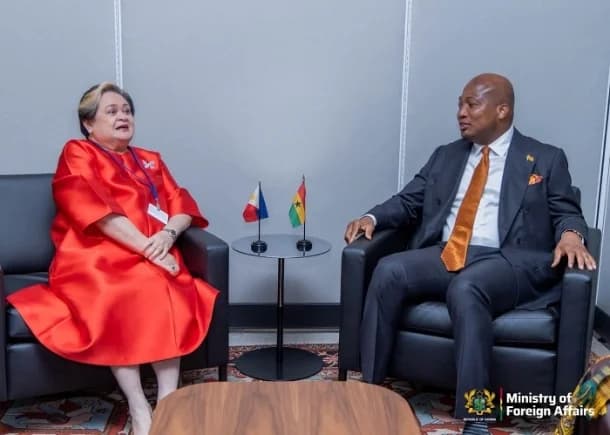
Ghana’s Minister of Foreign Affairs, Samuel Okudzeto Ablakwa, has articulated a transformative agenda for the nation’s economic and diplomatic future, anchored by a pledge to end the export of all raw materials by 2030. Speaking during high-level sessions at the United Nations General Assembly and various international forums, the Minister emphasized that Ghana is shifting toward "resource sovereignty." This strategy prioritizes adding value to natural resources such as cocoa, gold, and bauxite before they leave the country, ensuring that the wealth generated from these commodities remains within the national economy to benefit the Ghanaian people directly.
To support this industrial shift, Minister Ablakwa called for a comprehensive renegotiation of international resource agreements and the development of homegrown solutions. He highlighted the importance of leveraging advanced technologies, including Artificial Intelligence (AI), to build internal capacity for wealth creation. This move away from raw material dependency is part of a broader vision to foster resilience and self-sufficiency, challenging a historical paradigm where African nations have often received minimal returns for their extracted wealth. The Minister noted that the government is already adopting a fresh approach to negotiations to secure greater national benefits from future extraction projects.
Parallel to these economic goals, the Minister announced significant advancements in Ghana’s bilateral relations, most notably the upcoming establishment of the first-ever Philippines embassy in Accra. This development followed meetings with the Philippines’ Secretary of Foreign Affairs, Ma. Theresa P. Lazaro, where both nations agreed to launch business forums and a joint chamber of commerce to enhance trade and investment. Furthermore, Ghana secured a landmark labor agreement with Saint Kitts and Nevis. This deal ensures that Ghanaian nurses working in the Caribbean nation will receive enhanced salaries, comprehensive health insurance, rent allowances, and end-of-service benefits, reflecting the administration’s commitment to protecting the interests of Ghanaian professionals abroad.
On the global stage, Ghana has taken a firm stance on international justice and institutional reform. Minister Ablakwa formally opposed attempts to abolish the International Criminal Court (ICC), arguing instead for the institution to be strengthened to ensure accountability for crimes against humanity. During commemorations of the Durban Declaration, he reiterated Ghana's demand for reparatory justice to address historical inequalities and called for permanent African representation on the UN Security Council. These diplomatic efforts signal a proactive foreign policy under President John Mahama’s administration, positioning Ghana as both a regional industrial leader and a vocal advocate for global equity.
Related topic
John Mahama: Latest News & Updates →Live rates
Ghana gold price →

