••
Minority Caucus Boycotts GH"50m Evacuation Briefing as Majority Demands Forensic Audit into GH"600m COVID-19 Expenditure
•2 min read•6 sources
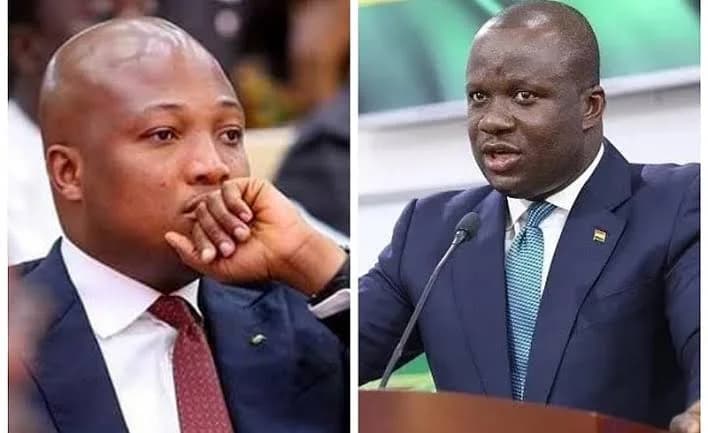
Ghana's Parliament is currently gripped by intensifying demands for financial accountability, with both sides of the aisle raising red flags over significant public expenditures. The Minority Caucus has officially withdrawn from a scheduled meeting with Foreign Affairs Minister Samuel Okudzeto Ablakwa regarding the GH₵50 million cost of evacuating citizens from South Africa. Simultaneously, Majority Chief Whip Rockson-Nelson Dafeamekpor is pressing for a forensic audit into an alleged GH₵600 million discrepancy in COVID-19 fumigation spending, signaling a heightened focus on fiscal transparency under the current administration.
The Minority’s boycott, scheduled for September 16, 2026, stems from the government’s failure to provide an itemized breakdown of costs associated with the repatriation of 1,964 Ghanaians following xenophobic threats in South Africa. Represented by MP Samuel Abdulai Jinapor, the caucus emphasized that while they support the humanitarian nature of the evacuation, they cannot validate the nearly GH₵50 million bill without seeing supporting documents for flights, accommodation, and private sector contributions. Despite filing a formal request under the Right to Information (RTI) Act, the Minority claims the Ministry of Foreign Affairs has remained unresponsive, leading to their refusal to participate in closed-door briefings.
On the other side of the ledger, Majority Chief Whip Rockson-Nelson Dafeamekpor is tackling unresolved issues from the pandemic era. He has called for a comprehensive forensic audit into what he describes as a GH₵600 million "fumigation gap" in COVID-19 spending. Dafeamekpor argues that previous audits conducted during the transition of power were incomplete and conducted with undue haste, leaving massive expenditure lines unexamined. This push for a forensic review aims to settle long-standing questions about how public funds were utilized during the global health crisis and to ensure those responsible for any financial irregularities are held to account.
These developments occur alongside personal accounts of administrative friction, such as Pastor Enoch Ofori Boamah’s recent disclosure of a two-year legal battle regarding a failed COVID-era government program. As Parliament continues its session, the pressure on the Executive to provide granular data on public spending continues to mount. The standoff between the Minority and the Foreign Ministry, coupled with the Majority's call for retrospective audits, suggests that the remainder of the 2026 legislative year will be defined by a rigorous pursuit of financial integrity across multiple sectors of governance.

