••
Samuel Okudzeto Ablakwa announces progress on UK IELTS exemption talks
•2 min read•2 sources
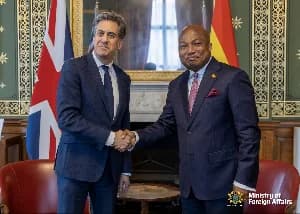
Ghana’s Minister for Foreign Affairs and Regional Integration, Samuel Okudzeto Ablakwa, has announced that the government is making significant headway in negotiations with the United Kingdom to exempt Ghanaian students and professionals from the International English Language Testing System (IELTS) requirement. This development follows a high-level meeting between Mr. Ablakwa and the UK Foreign Secretary, Edward Miliband, aimed at easing the migration and educational hurdles faced by Ghanaians seeking opportunities in Britain.
During the discussions, Mr. Ablakwa confirmed that Ghana has successfully met the necessary English proficiency thresholds required by the UK for such a consideration. The IELTS has long been a point of contention for many Ghanaians, who argue that as a Commonwealth nation with English as its official language and primary medium of instruction, the mandatory test represents an unnecessary financial and administrative burden. The Foreign Minister noted that the UK government is now formally reviewing Ghana’s eligibility for the waiver based on these proficiency standards.
Beyond the IELTS negotiations, the meeting between the two officials touched on a wide range of bilateral issues. These included strengthening trade relations between Accra and London, addressing matters of reparatory justice, and coordinating preparations for upcoming international summits. Mr. Ablakwa expressed optimism about the trajectory of Ghana-UK relations, emphasizing a shared commitment to mutual cooperation on global security and economic development under the current administration.
While a definitive timeline for the implementation of the IELTS exemption has not yet been established, the progress marks a pivotal step in the government's diplomatic efforts to protect the interests of Ghanaians abroad. The Ministry of Foreign Affairs is expected to continue technical-level engagements with British counterparts to finalize the exemption criteria. If successful, the policy change would significantly reduce the cost of migration for thousands of Ghanaian nurses, doctors, and students who currently pay substantial fees for the proficiency tests.
