••
Samuel Okudzeto Ablakwa urges Commonwealth for fair fossil fuel treaty
•2 min read•1 source
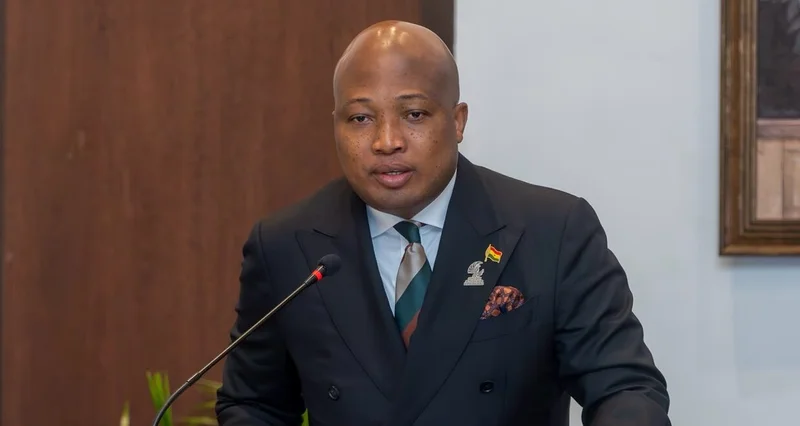
Foreign Affairs Minister Samuel Okudzeto Ablakwa has called for a fair and inclusive approach to the proposed Fossil Fuel Treaty, urging international partners to consider the economic aspirations and energy security of fossil fuel-producing nations. Speaking at a high-level meeting for Commonwealth Ministers held in Antigua and Barbuda, the Minister emphasized that the global shift toward cleaner energy must not leave developing countries behind. He stressed that for the transition to be truly sustainable, it must be supported by adequate financial resources and the transfer of modern technology to help nations like Ghana adapt to a low-carbon future. The Minister highlighted the critical role that the oil and gas industry plays in supporting Ghana’s domestic development. Revenue from this sector is instrumental in funding core pillars of the national economy, including major infrastructure projects and the public education system. Ablakwa pointed out that while Ghana is committed to global environmental goals, the international community must acknowledge the importance of climate justice. He argued that fossil fuel-producing countries should not be unfairly penalized for utilizing their natural resources to drive economic growth and alleviate poverty while the world transitions to renewable energy. Furthermore, Ablakwa reiterated Ghana’s steadfast commitment to multilateralism and the principles of the Paris Agreement. He advocated for a partnership-based model for the energy transition, where climate actions are aligned with the development needs of individual nations rather than imposing a one-size-fits-all solution. By calling for equity in the treaty negotiations, the Minister aimed to ensure that the path toward a greener future is both just and achievable for all member states, ensuring that environmental protection and economic prosperity are pursued in tandem.

