••
Samuel Okudzeto Ablakwa announces Ghana's bid to join BRICS
•2 min read•1 source
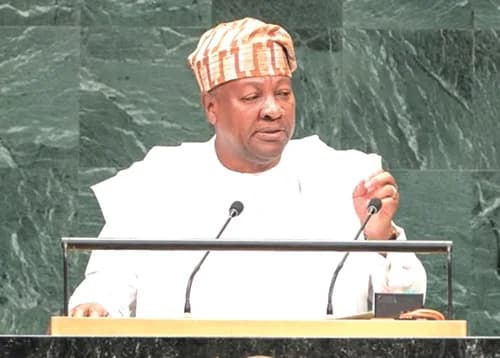
The administration of President John Mahama has officially signaled a significant shift in its international relations by announcing Ghana's intention to join the BRICS group of nations. Foreign Affairs Minister Samuel Okudzeto Ablakwa confirmed the move, stating that it aligns with President Mahama's "New Economy" doctrine, which emphasizes resource sovereignty and the diversification of global partnerships. This bid represents a strategic pivot toward multi-alignment, aiming to enhance the nation's economic reach beyond its traditional Western multilateral frameworks.
According to Minister Ablakwa, the primary objective of joining the bloc—which currently includes Brazil, Russia, India, China, South Africa, Egypt, and Ethiopia—is to leverage new opportunities in trade and infrastructure development. The government intends to use this platform to ensure Ghana is treated as an equal partner on the global stage, fostering relationships that prioritize mutual economic growth and investment. By seeking membership, Ghana aims to position itself within a group of emerging economies that are increasingly shaping global financial and political discourse.
Despite this major policy shift, the government has clarified that the move is "pro-options" rather than anti-Western. Officials emphasized that Ghana does not intend to sever its long-standing ties with traditional partners or international institutions like the International Monetary Fund (IMF), with which the country remains engaged. Instead, the Mahama administration seeks to balance its existing commitments with new avenues for cooperation, reflecting a pragmatic approach to navigating a multipolar global environment.
If the application is successful, Ghana would become the fourth African nation to join the group, following South Africa, Egypt, and Ethiopia. Such a development could significantly bolster Ghana's role in intra-African dynamics and potentially reshape the continent's economic landscape. Moving forward, the administration will focus on the formal diplomatic processes required for admission while managing the expectations of both domestic stakeholders and international observers regarding the implications of this new foreign policy direction.
Related topic
John Mahama: Latest News & Updates →
